Editor's Picks
While working on a list of synonyms of European White...
Roderick Cameron
|
Aug 24, 2026
Report led by The Morton Arboretum will help prioritize oak...
Website Editor
|
Aug 06, 2026
Motivation
I live in the village of Dolné Dubové...
Jozef Čapkovič
|
Jul 20, 2026
Plant Focus
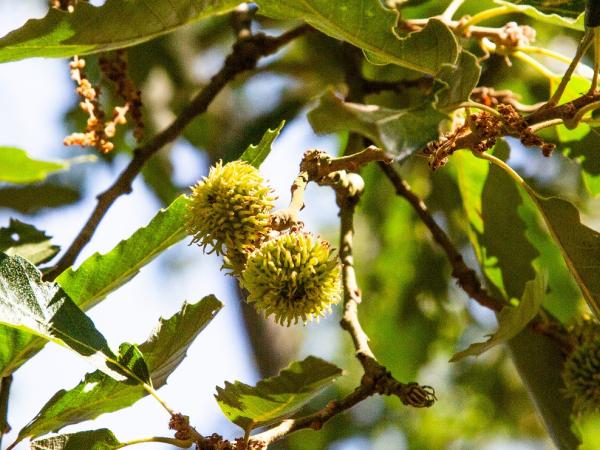
The only oak species endemic to Africa is rare in cultivation. It shouldn't be.
This new entry in our series on Oak Poetry features a poem by Hermann Hesse, which uses the image of a heavily pruned oak to reflect on endurance, renewal, and the stubborn will to keep growing despite hardship.
If you would like to propose a poem for inclusion in this series, please click here.
Gestutzte Eiche
Wie haben sie dich, Baum, verschnitten |
Pollarded Oak
How they have cut you back, tree— |
You can hear a reading of the poem by Fritz Stavenhagen here.
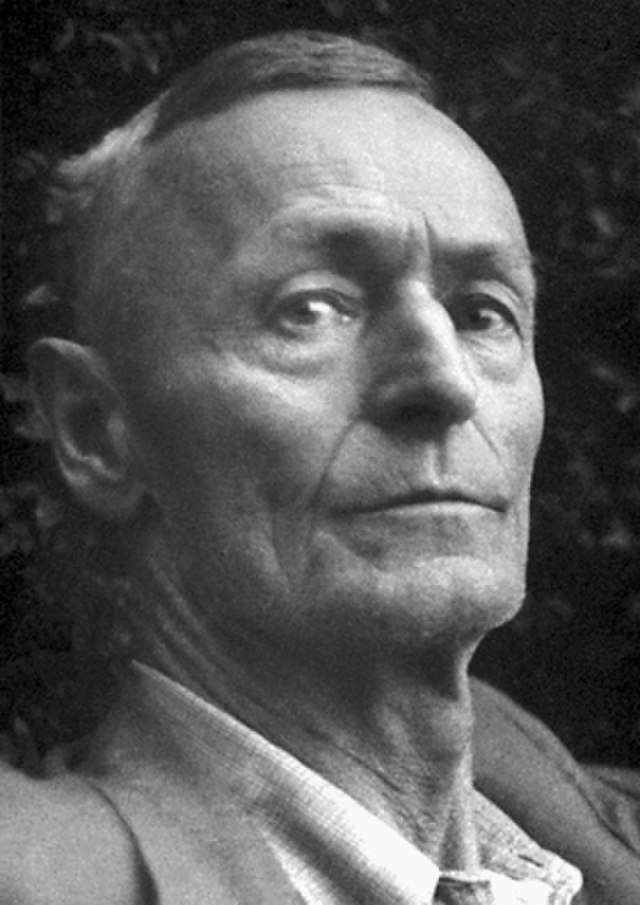
Hermann Hesse (1877–1962) was a German‑born Swiss novelist, poet, and painter whose work explores individuality, spirituality, and the search for meaning. Raised in the Black Forest in a scholarly, religious family, he developed early interests in literature and introspection. His major novels—Siddhartha, Der Steppenwolf, and Das Glasperlenspiel—made him one of the most influential writers of the twentieth century and earned him the Nobel Prize in Literature in 1946. Alongside his fiction, Hesse wrote extensively about nature, producing poetry that often uses trees as symbols of endurance and renewal. He spent his later years in Montagnola, Switzerland.
Content by the Same Author
The International Oak Society acknowledges the generous support of the following institutions:
Supporting Institutional Members



Standard Institutional Members