Editor's Picks

While working on a list of synonyms of European White...
Roderick Cameron
|
Aug 24, 2026
Report led by The Morton Arboretum will help prioritize oak...
Website Editor
|
Aug 06, 2026
Motivation
I live in the village of Dolné Dubové...
Jozef Čapkovič
|
Jul 20, 2026
Plant Focus
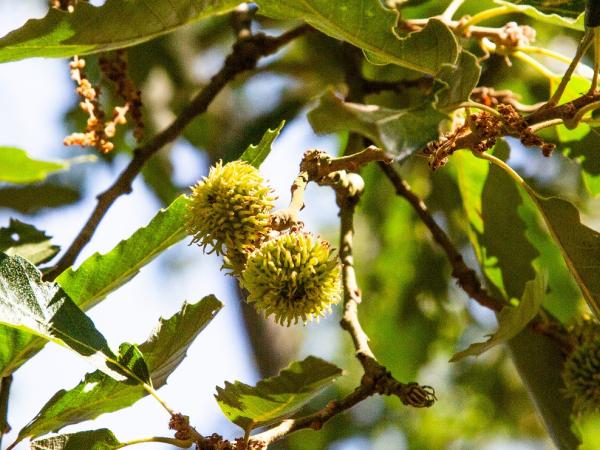
The only oak species endemic to Africa is rare in cultivation. It shouldn't be.
Conservation discourse often gravitates toward the conspicuous, the pandas of our planet, while more demure species fade in obscurity. Quercus canariensis, commonly known as Mirbeck's oak or Algerian oak, stands as a paradox: a tree of imposing stature and ecological consequence that nonetheless garners little attention among the roughly 450 species of Quercus. Its timber was once vital for ship construction during the era when Portugal and Spain were major naval powers. The strong, brown wood is prized for its dense heartwood and attractive ray‑cell patterning, making it suitable for cabinetry, flooring, structural uses, barrel making, and, when coppiced, charcoal production. As a landscape tree, however, it is scarcely known in Portugal and Spain, and its presence in its North African range appears almost negligible.
© Gerald Collett
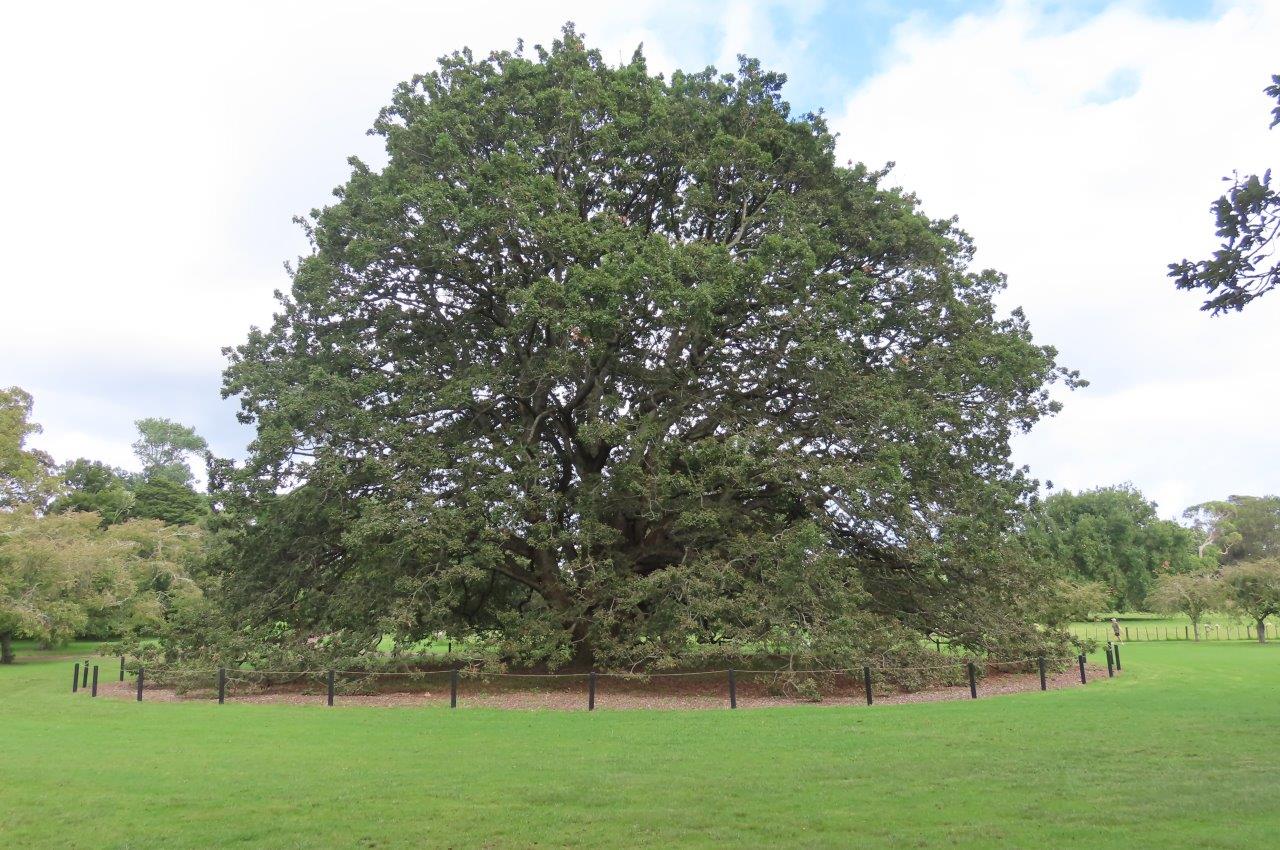
By contrast, it is more highly valued in the Southern Hemisphere, with fine specimens in New Zealand and especially in Australia. The Royal Botanic Gardens Victoria, in Melbourne, likely holds more (and older) Mirbeck’s oaks than can be found in gardens across all five of the species’ native countries. In Australia, the tree has been planted not only to enhance public spaces but also to commemorate war dead (Buttigieg 2014).

© Roderick Cameron
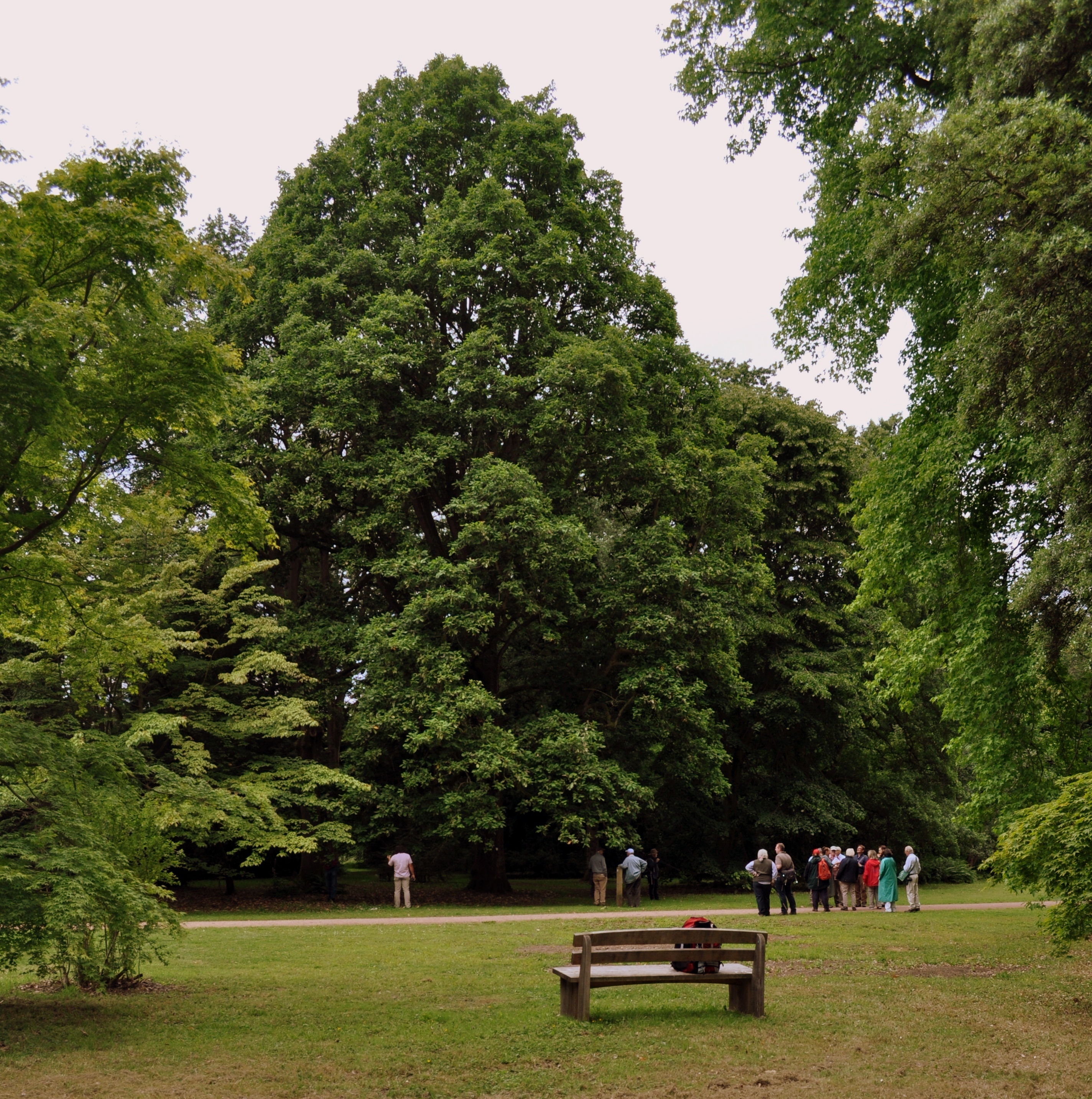
It has also been widely cultivated in gardens in the UK, where it has received the Royal Horticultural Society's Award of Garden Merit. The Tree Register (2026) records over 100 trees, around half of them over 20 m tall and with trunks over 90 cm in diameter.
© Charles Snyers
Description
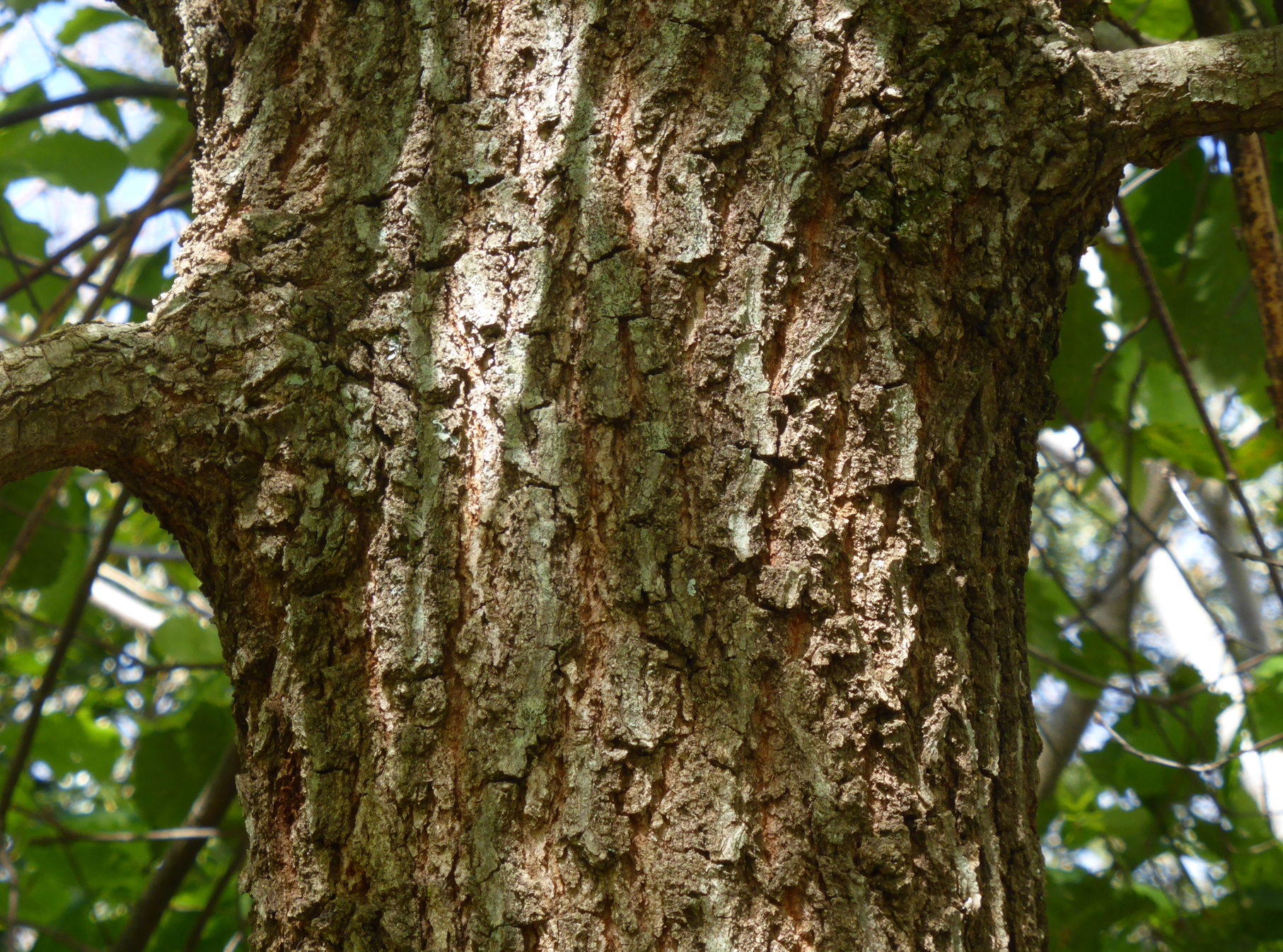
Quercus canariensis, a member of the White Oak group (subgenus Quercus, section Quercus), is capable of remarkable dimensions. Across Iberia, Morocco, and Tunisia it commonly reaches 30 m, and in Algeria may exceed 36 m. The trunk bears dark grey-brown, fissured bark; young twigs are grey-green, initially pubescent, later smooth.
© Francisco Garin
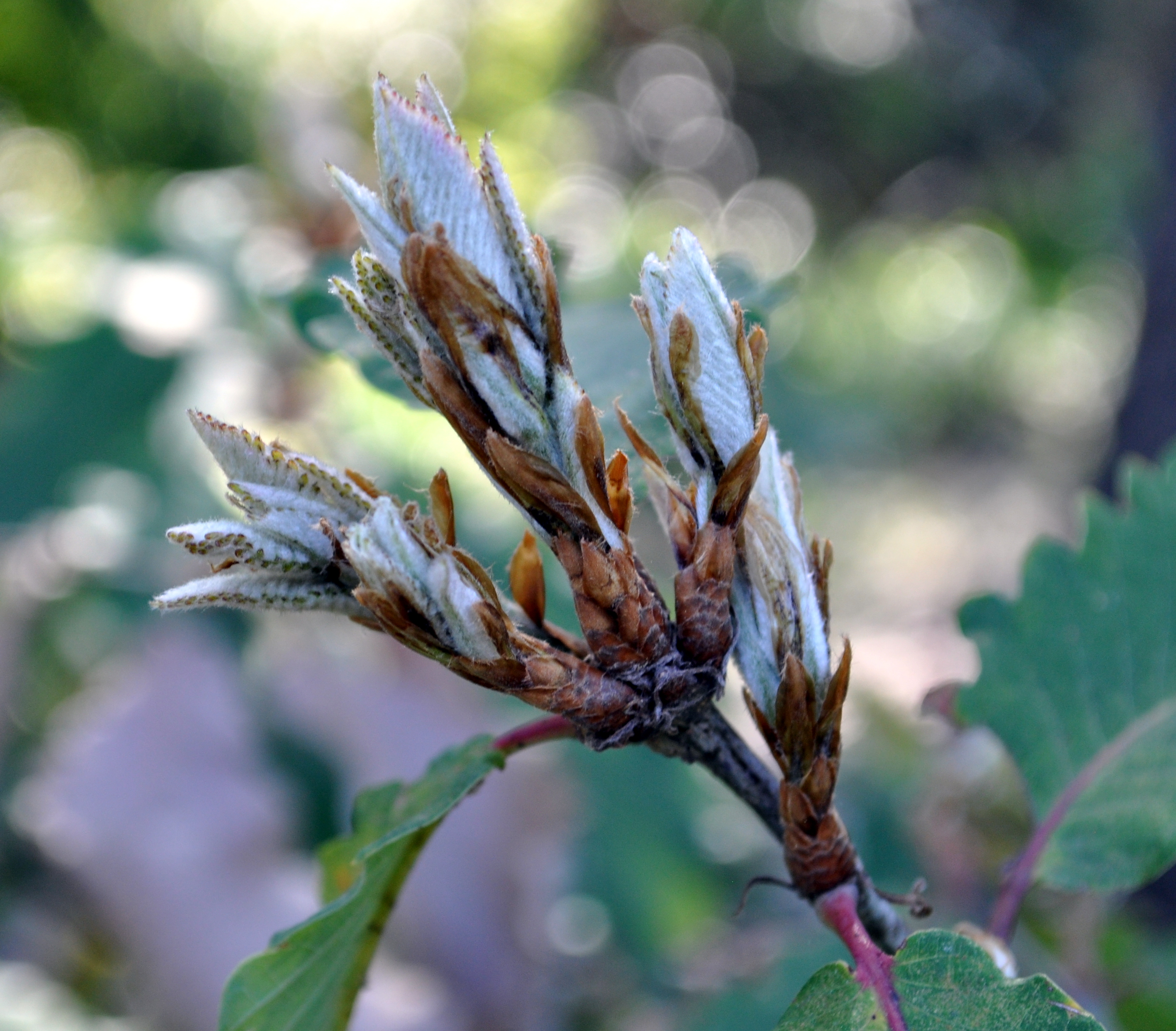
Buds are narrowly conical, about 7 mm long, their pale brown scales edged with white hairs.
© Charles Snyers
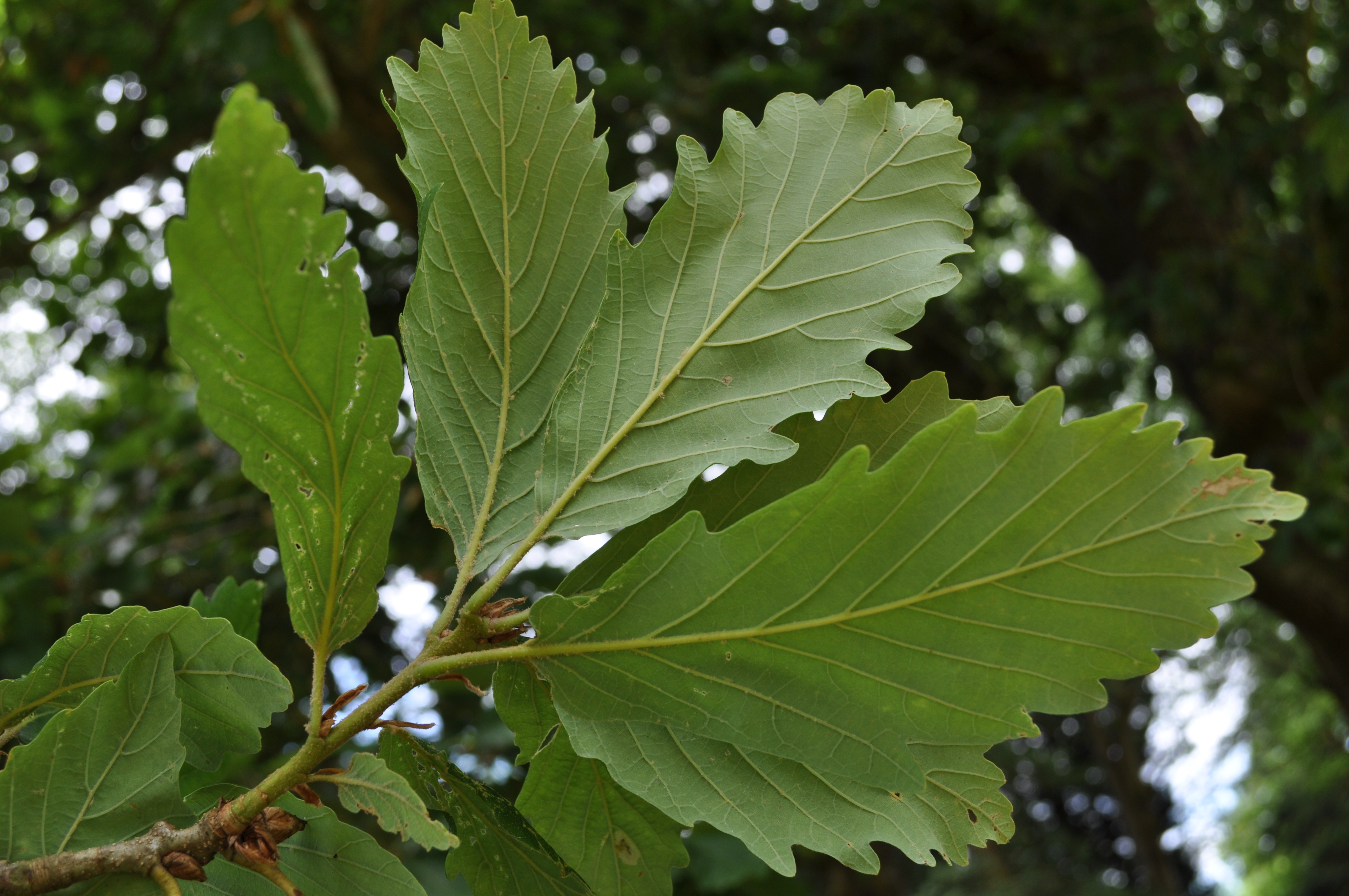
Leaves are simple, alternate, typically 10–15 cm long and 6–8 cm wide, with 6–12 (occasionally more) variably deep lobes.

© Charles Snyers
They are glossy green above, glaucous and pubescent beneath, especially along the midrib.
© Charles Snyers
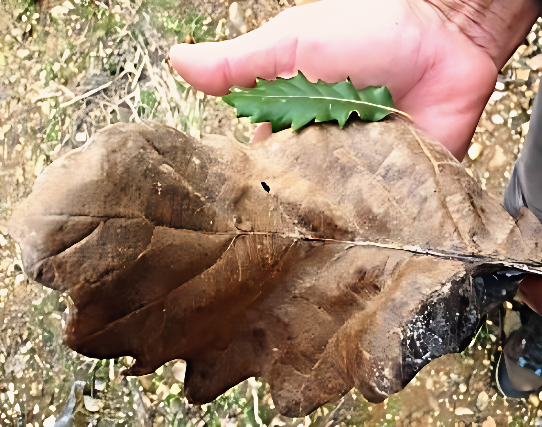
Autumn color ranges from yellow to brown. Foliage varies significantly, even within a single tree, echoing the plasticity seen in the eastern Mediterranean Q. aucheri. Though often described as marcescent, individuals may be fully deciduous or effectively evergreen in milder districts. In Iberian woodlands one may encounter bare crowns beside fully clothed neighbors, recalling the strawberry tree, Arbutus unedo, and certain tropical species whose branches occupy different phenological stages simultaneously.
© Antonio Lambe
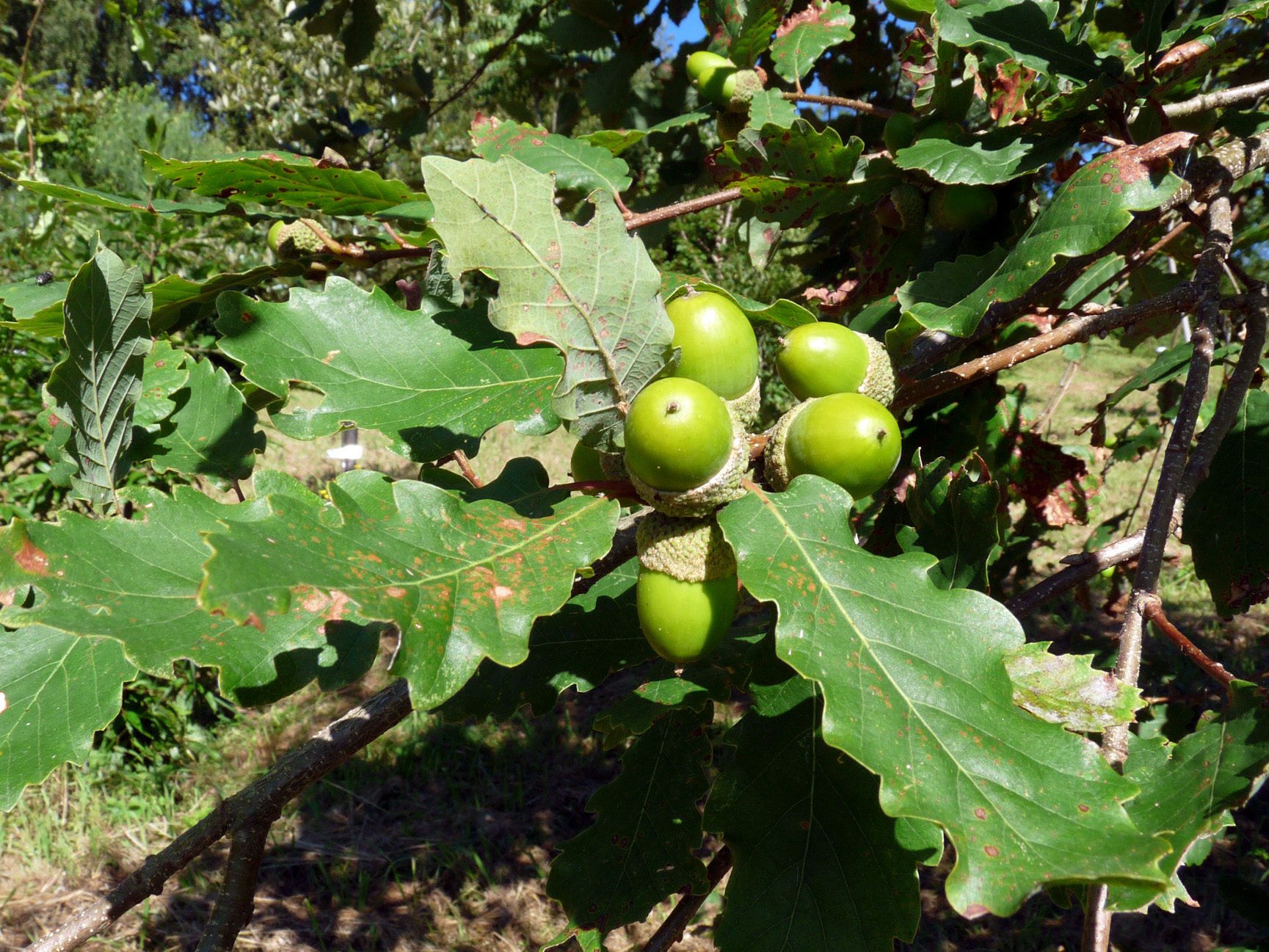
Acorns are ovoid-cylindrical, 2.5–3.5 cm long, borne singly or in clusters of two or three on short stalks. The hemispherical cupule, with tomentose lanceolate scales, encloses about one-third of the nut.
© Francisco Garin
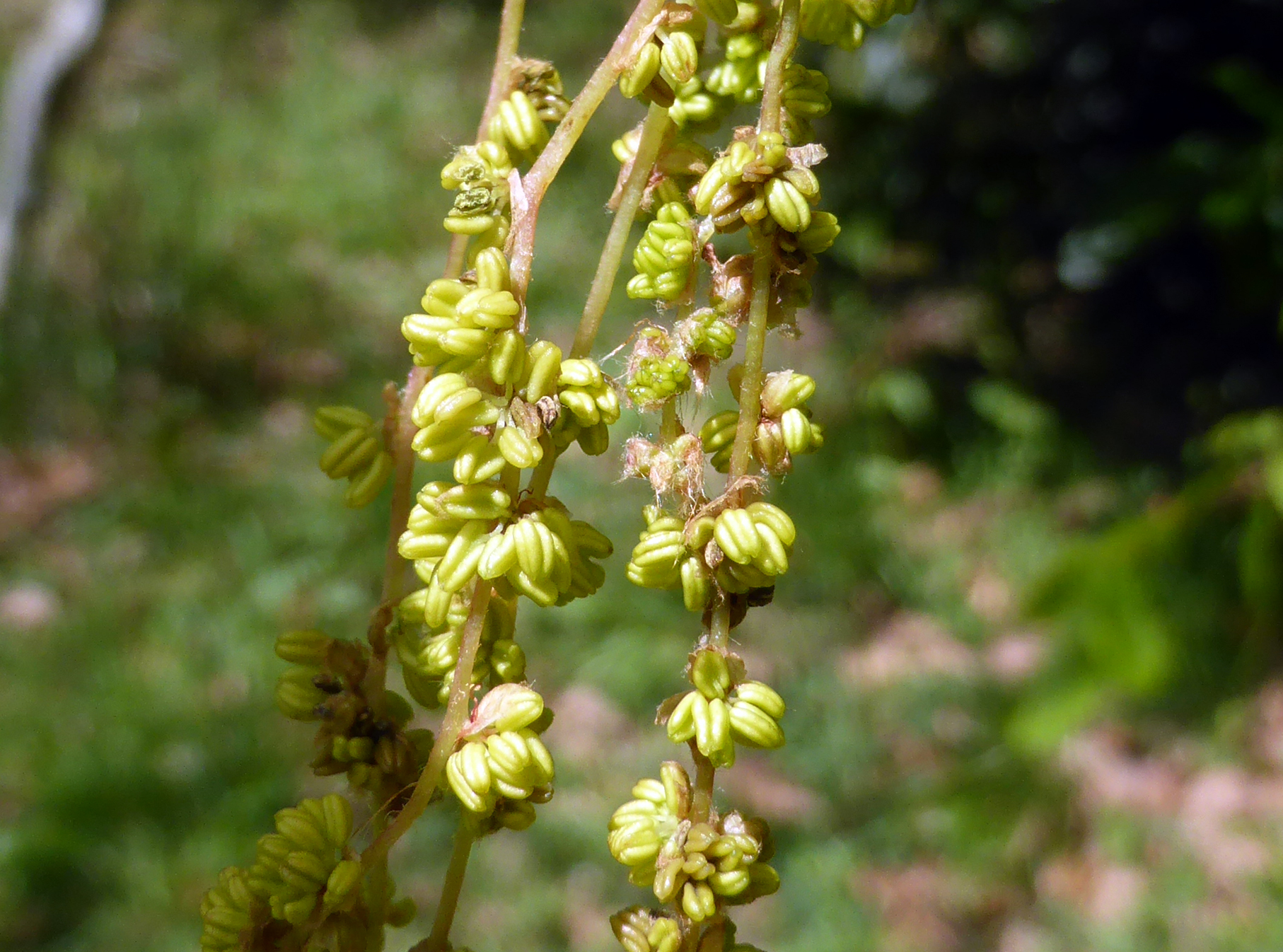
The species is monoecious: female flowers are inconspicuous on short pedicels, male catkins 4–8 cm long. Flowering occurs April–May in the Northern Hemisphere (October–November in the Southern Hemisphere). Growth is moderate, yet often more vigorous than that of neighboring Mediterranean oaks.
© Francisco Garin
Ecological Preferences and Constraints
Algerian oaks tolerate a wide range of soils—from heavy clays to sandy loams—across a pH spectrum of 4.5 to 7.5. Moist but well-drained ground is essential; proximity to watercourses is beneficial, but waterlogging is not. Despite its extensive root system, it is probably the least drought-tolerant of Mediterranean oaks, requiring at least 500 mm annual rainfall. Its comparatively mesic foliage renders it less flammable, though it lacks the insulating bark of cork oak (Q. suber) and the xeromorphic leaves characteristic of more arid-adapted species.

Image. Karim Haddad, iNaturalist CC BY 4.0
Reports conflict as to its value in fire-prone landscapes: some advocate it for windbreaks and firebreaks (Trees for Climate 2026), while others warn that intensifying fire regimes threaten the remnant stands (Viveiros Jardimseco 2026). Rising temperatures and declining precipitation—projected by the Intergovernmental Panel on Climate Change for much of the Mediterranean basin—will likely amplify these pressures. The Oaks of the World website reports an altitude range of 700–1,000 m (Hélardot 2026), whereas in Portugal and Spain it may occur within a kilometer of the coast at elevations below 50 m.
Distribution and Habitat
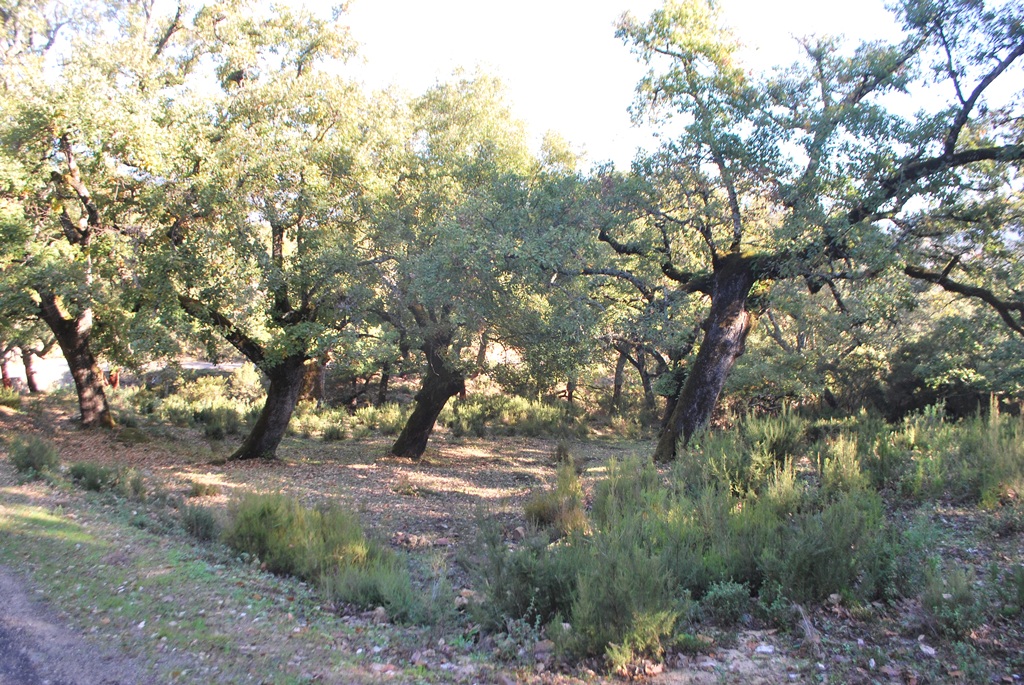
The species is native to Spain, Portugal, Morocco, Algeria, and Tunisia. In Portugal it survives in roughly a dozen small, heavily altered sites in the Algarve and southwestern Alentejo, amounting to only a few hundred mature trees. Spanish populations are more numerous yet still localized, extending from Andalusia’s Aracena hills to the Sierra de Ojén near the most southerly point in mainland Spain. Isolated Catalonian populations lie nearly 1,000 km to the northeast, though many represent hybrid populations.
© Carlos Vila-Viçosa
Some of the finest Iberian stands occur in Cádiz Province’s canutos, humid gallery forests nourished by Levantine mists. These refugial gullies harbor continental Europe’s best surviving examples of Macaronesian laurel forest. Further inland, venerable Algerian oaks persist in the Parque Natural de Los Alcornocales and the Sierra de Ojén, landscapes where the canopies of centuries-old trees still shelter the forest.
Climatic modelling predicts a significant contraction of its North African and Andalusian range, with parts of northern Portugal, northern Spain, and the Pyrenees becoming more suitable in future decades (OIiveira Costa 2020). Informal field observation already suggests a shift toward north- and east-facing slopes in Portugal and moisture-retentive exposures in southern Spain. In Morocco, where severe drought has devastated palm populations over the past century (Kassouf 2025), the warning is stark for this thirstiest of Mediterranean oaks.

Curiously, Q. canariensis does not occur in the Canary Islands. The epithet can be traced to Carl Ludwig Willdenow, who described the species in 1809 based on herbarium material attributed to Tenerife. The specimens were originally collected by Pierre Marie Auguste Broussonet, active in both Morocco and the Canaries. Subsequent scholarship suggests Moroccan and Canarian collections were inadvertently shuffled at some point in the botanist’s eventful and at times dangerous life (Salas Pascual and Cáceres Lorenzo 2000).
Hybridization and Genetic Complexity
Quercus canariensis hybridizes readily within its section. Notable hybrids include Q. ×tlemcenensis (Q. canariensis × Q. faginea) and Q. ×cerrioides (Q. canariensis × Q. pyrenaica), the latter forming extensive hybrid swarms in parts of Catalonia. In Portugal, hybridization—principally with Q. faginea—once led to fears that pure individuals were extinct. A small, genetically confirmed remnant population was rediscovered in the mid-2010s, surrounded by eucalyptus plantations. Current estimates suggest roughly 300 pure individuals persist nationally (C. Vila-Viçosa pers. comm. 2026).

© Jan De Langhe
Such fragmentation raises concerns over inbreeding depression and genetic drift. Small, isolated populations risk losing allelic diversity, heightening vulnerability to environmental change and stochastic events. Schaffer’s (1981) concept of minimum viable population looms uncomfortably close.
Conservation
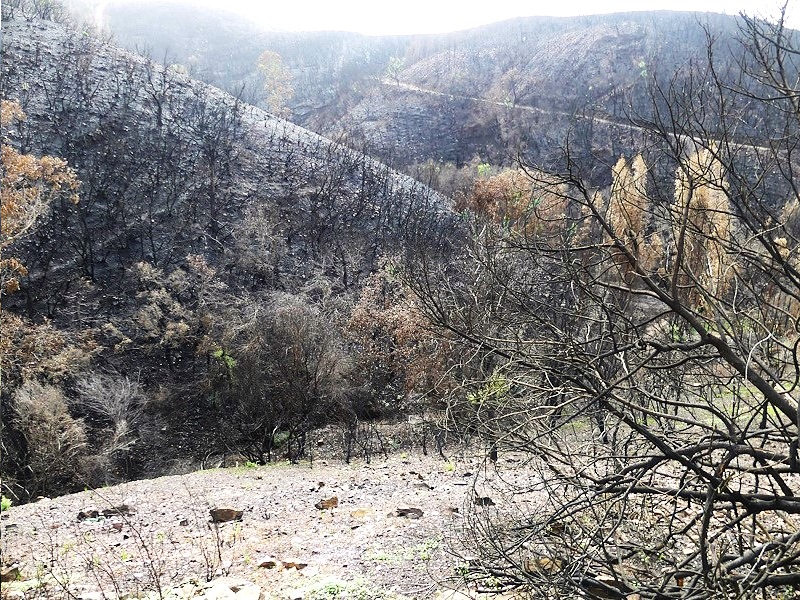
The species' need for protection is recognized to a certain extent, and at least some measures are being taken in both Portugal (The Navigator Company 2026), where it is considered critically endangered (Flora-On: Flora de Portugal Interactiva 2026), and Spain, where it lacks formal protected status but sustainable management of Q. canariensis forest is encouraged (Junta de Andalucía 2025). At the European level, it is assessed by IUCN as Near Threatened, though globally it stands as Data Deficient (García Murillo and Harvey-Brown 2017; Gorener et al. 2017).
© Antonio Lambe
Propagation remains surprisingly limited in both countries. Introducing exogenous genetic material—whether from Spain or North Africa—poses complex questions. Outbreeding depression is a legitimate concern if maladapted alleles reduce local fitness. Conversely, genetic rescue through carefully selected introductions may bolster resilience, especially if southern genotypes confer tolerance to projected heat and drought (Godefroid et al. 2011; Ducousso 2012). Testing diverse genotypes in controlled or geographically separate settings may represent a prudent middle path.

© Antonio Lambe
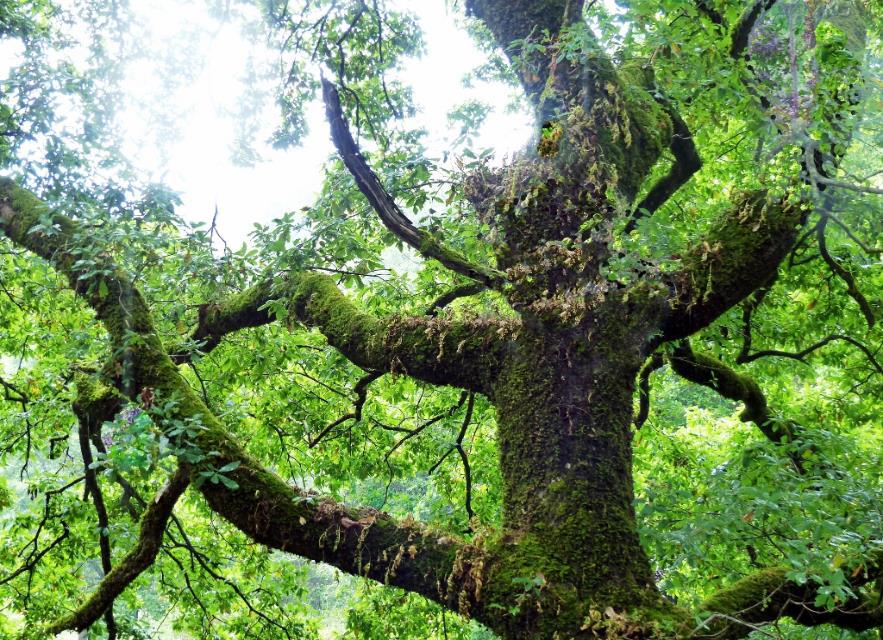
Within Mediterranean forests, which rank among the world’s biodiversity hotspots, Q. canariensis contributes structural complexity, carbon sequestration, and soil stabilization. Its acorns sustain wildlife, including the Barbary deer (Cervus elaphus barbarus) and, indirectly, the endangered Iberian lynx (Lynx pardinus), through trophic links involving rabbits. Its ecological services extend quietly but decisively through the food web and the soil profile alike.
© Antonio Lambe
Though rarely celebrated, Quercus canariensis embodies both grandeur and vulnerability. It is a timber tree of historic importance, a keystone of humid Mediterranean refugia, and a genetic puzzle in fragmented landscapes. Conservation may require difficult decisions about provenance, assisted migration, and genetic intervention. If the species lacks the celebrity of more emblematic flora, it compensates with ecological gravitas—and perhaps that should be charisma enough.
Further reading
For a more detailed account of this species by the same author, see:
Lambe, A. The Mirbeck Oak in Iberia: Source of an Inspiration. International Oaks No. 25: 71–84. [link]
Works cited
Buttigieg, C. 2014. The Anlaby Commemorative Oaks: an Extraordinary Case of Multiple Ground-Layered Branches in Quercus canariensis Willd. International Oaks 25: 95–102. [link]
Ducousso, A. 2012. Endangered Oak Resources in Europe and Around the Mediterranean Basin: Marginal Populations and Minor Species. International Oaks 24: 108–115. [link]
Flora-On: Flora de Portugal Interactiva. 2026. Quercus canariensis. Sociedade Portuguesa de Botânica. [link]
García Murillo, P., and Y. Harvey-Brown. 2017. Quercus canariensis (Europe assessment). The IUCN Red List of Threatened Species 2017: e.T78809256A80570536. [link]
Godefroid, S., C. Piazza, G. Rossi, S. Bourd, A.-D. Stevens, R. Aguraiuja, …and T. Vanderborght. 2011. How successful are plant species reintroductions? Biological Conservation 144(2): 672–682. [link]
Gorener, V., Y. Harvey-Brown, and M. Barstow. 2017. Quercus canariensis. The IUCN Red List of Threatened Species 2017: e.T78809256A78809271. [link]
Hélardot, J.L. 2026. “Quercus canariensis.” Oaks of the World. [link]
Junta de Andalucía. 2025. "Andalucía impulsa la selvicultura aplicada a los quejigos para promover el aprovechamiento de la madera y la regeneración del monte alcornocal." Consejería de Sostenibilidad y Medio Ambiente. [link]
Kassouf, M. 2025. “How Communities Are Facing Climate Change: Stories from the Middle East and North Africa.” Greenpeace. [link]
Olivera Costa, T.M. 2020. "Quercus canariensis facing climate change: Genomics and niche modelling as tool for conservation." Master's Thesis. Facultad de Ciências, Universidade do Porto. [link]
Salas Pascual, M., and Cáceres Lorenzo, M.T. 2000. Datos históricos de la presencia de fitónimos relacionados con el género Quercus L. en Canarias. Vegueta 5: 3641–347. [link]
Schaffer, M.L. 1981. Minimum population sizes for species conservation. BioScience 31(2): 131–134. [link]
The Navigator Company. 2026. "Algerian oak." [link]
Trees for Climate. 2026. "Quercus canariensis." Bungendore Landcare. [link]
Viveiros Jardimseco. 2026. "Quercus canariensis." [link]
Watanabe, S., T. Hajima, K. Sudo, T. Nagashima, T. Takemura, H. Okajima, ...and T. Ise. 2011. MIROC-ESM 2010: Model description and basic results of CMIP5- 20c3m experiments. Geoscientific Model Development 4(4): 845. [link]
The International Oak Society acknowledges the generous support of the following institutions:
Supporting Institutional Members



Standard Institutional Members