
Editor's Picks

While working on a list of synonyms of European White...
Roderick Cameron
|
Aug 24, 2026
Report led by The Morton Arboretum will help prioritize oak...
Website Editor
|
Aug 06, 2026
Motivation
I live in the village of Dolné Dubové...
Jozef Čapkovič
|
Jul 20, 2026
Plant Focus
The only oak species endemic to Africa is rare in cultivation. It shouldn't be.
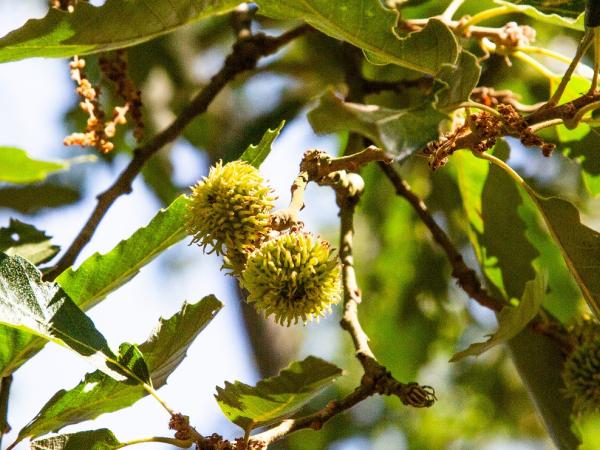
Quercus miyagii is a species of oak endemic to the Ryukyu Islands of Japan, where it occurs in evergreen broad-leaved forests. In Okinawa it is part of the island's natural heritage and has been used as building material for sites such as Shuri Castle.
Eleven years ago, during a trip to Okinawa, I had planned to spend a full day in the northern region searching for this species. Due to a last-minute change in itinerary, the plan was canceled. Yet the idea of visiting its native habitat remained with me.
In December 2025, I finally returned to Okinawa—this time not for sightseeing, but to explore the natural habitats of Q. miyagii.
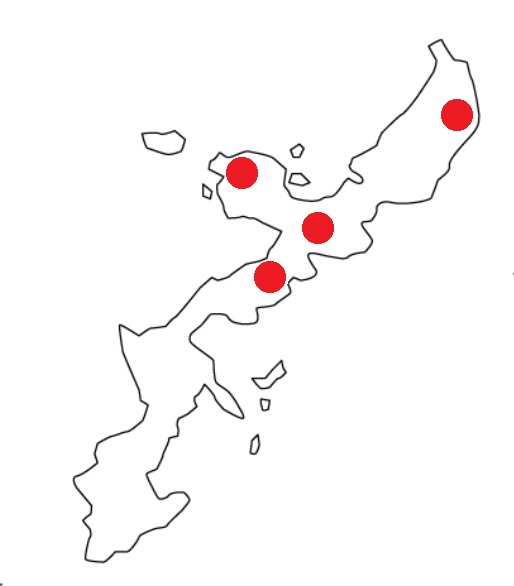
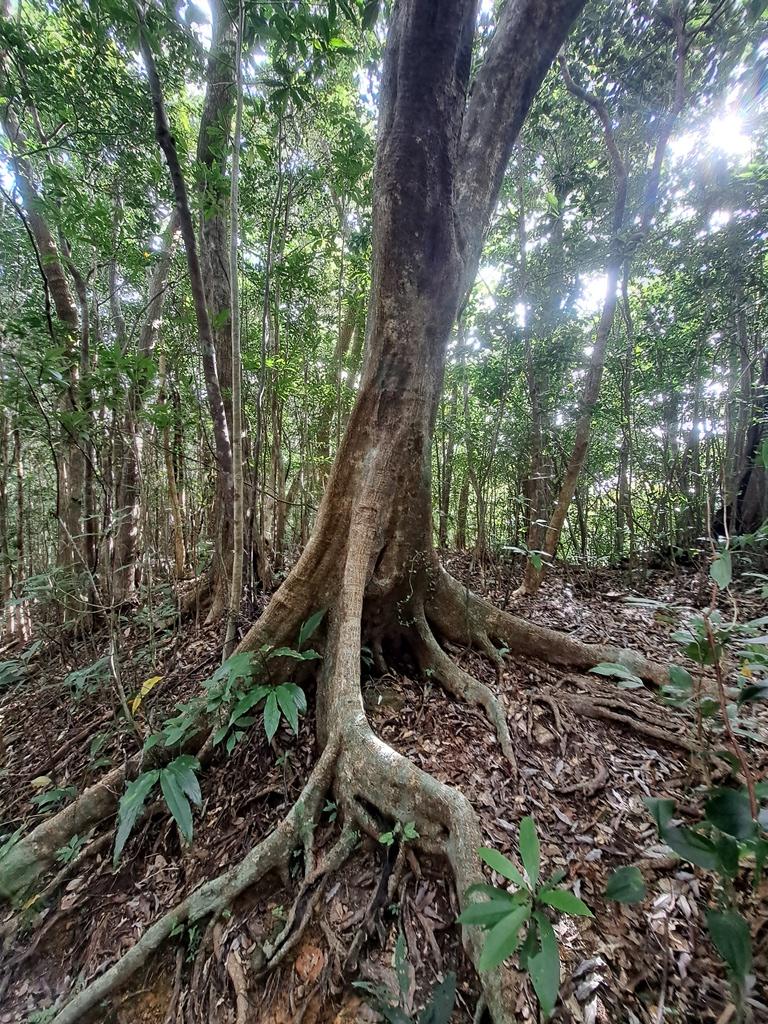
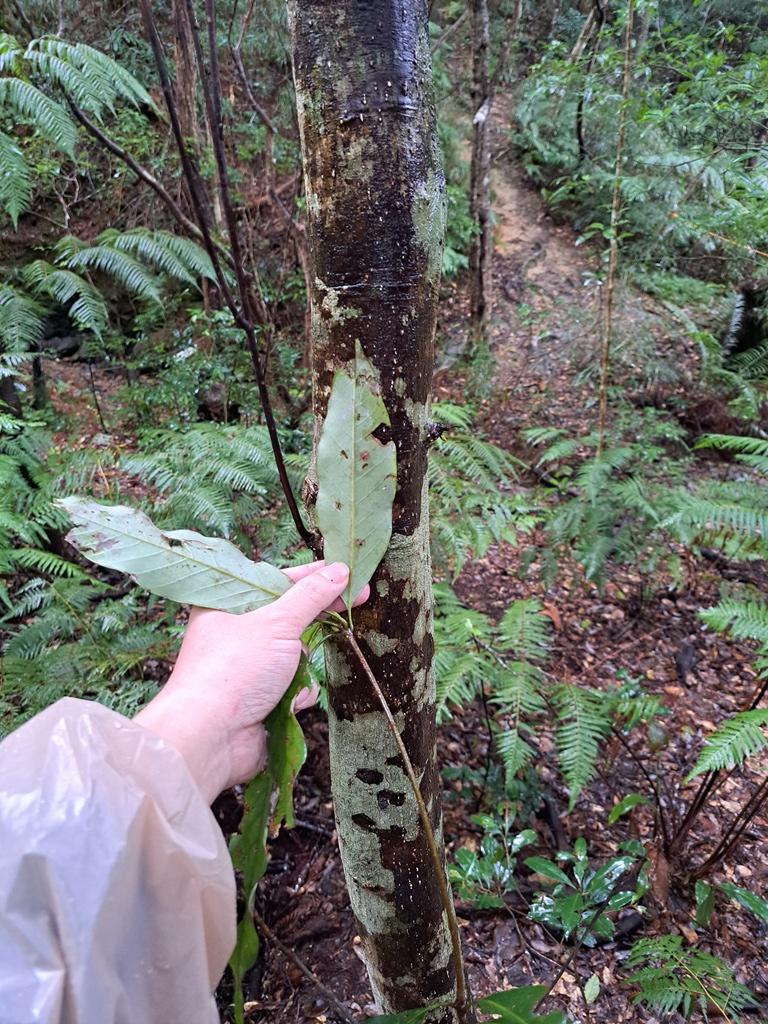
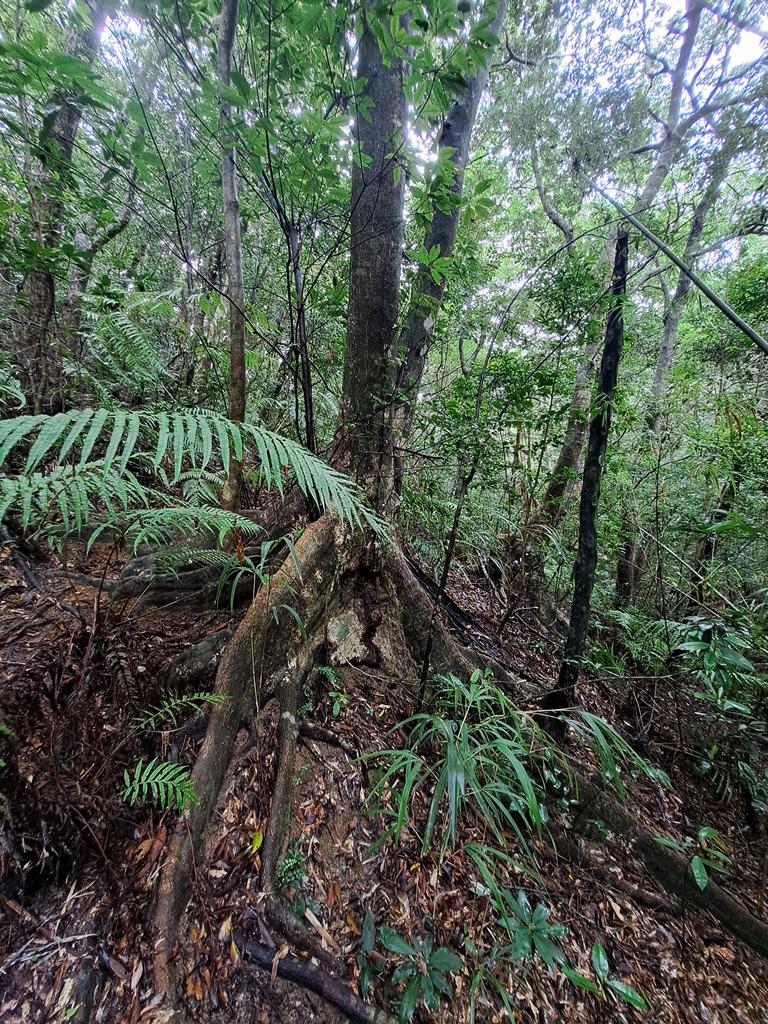
On December 29, I arrived at a mountainous area east of Nago City in north-central Okinawa. Although close to urban districts, the area retains relatively intact natural vegetation. When surveying Fagaceae in the wild, I typically begin by examining fallen leaves as indicators of nearby species. After about an hour along a forest road, I found characteristic leaves and soon located several Q. miyagii trees within a 30-meter radius on a sloped hillside. Their prominent buttress roots—one of the species’ most striking features—were clearly visible.

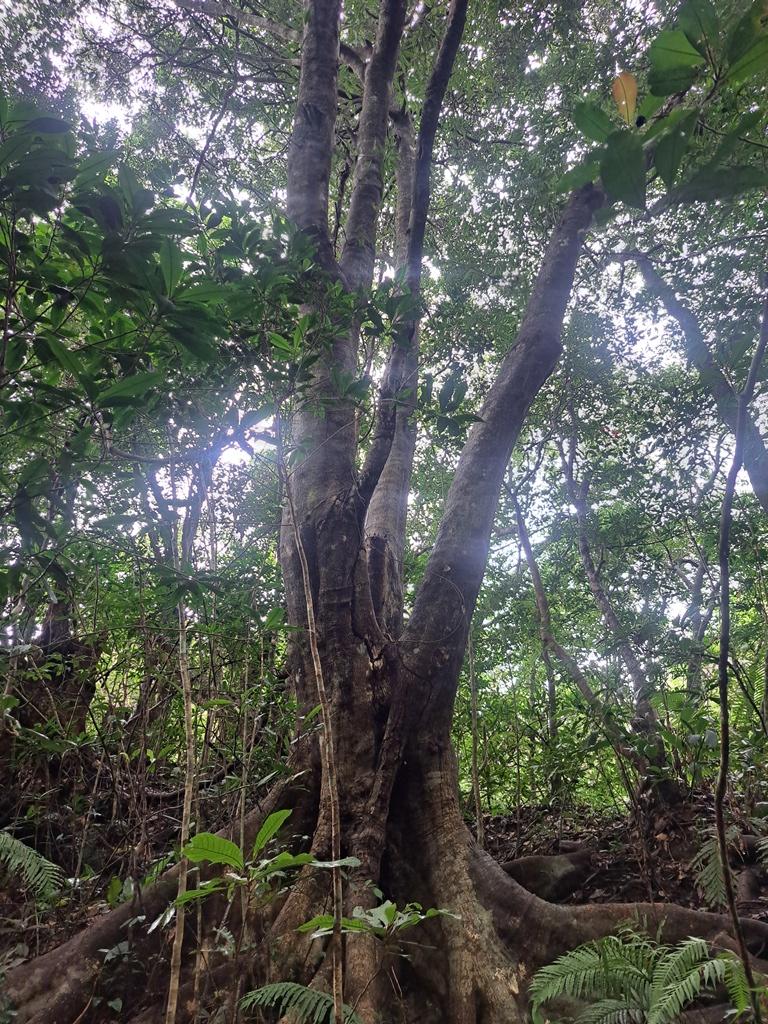
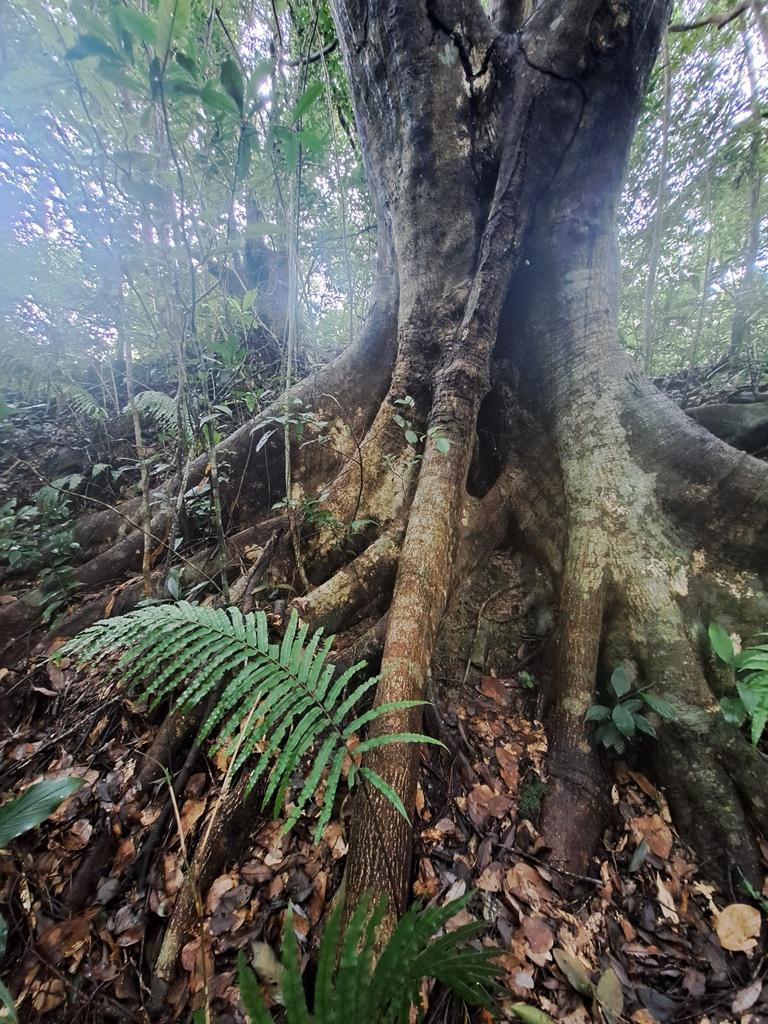
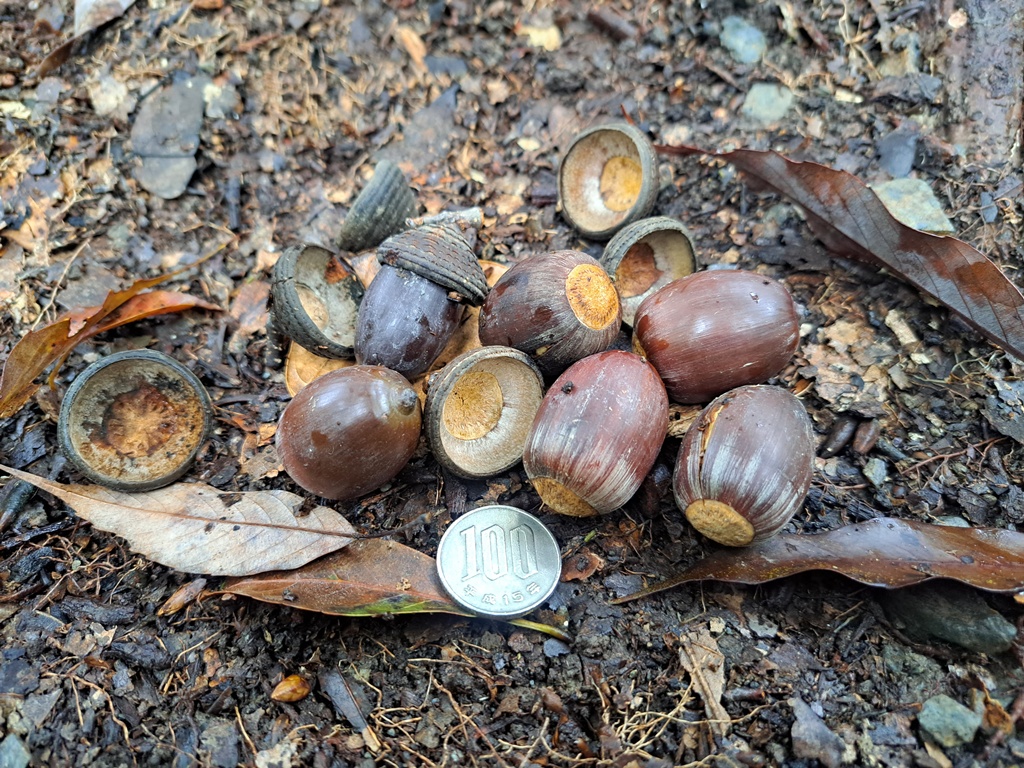
Beneath the trees lay decayed acorns from the previous year, confirming their identity. Continuing downslope along a dry streambed, I encountered additional acorns and cupules scattered along the way.
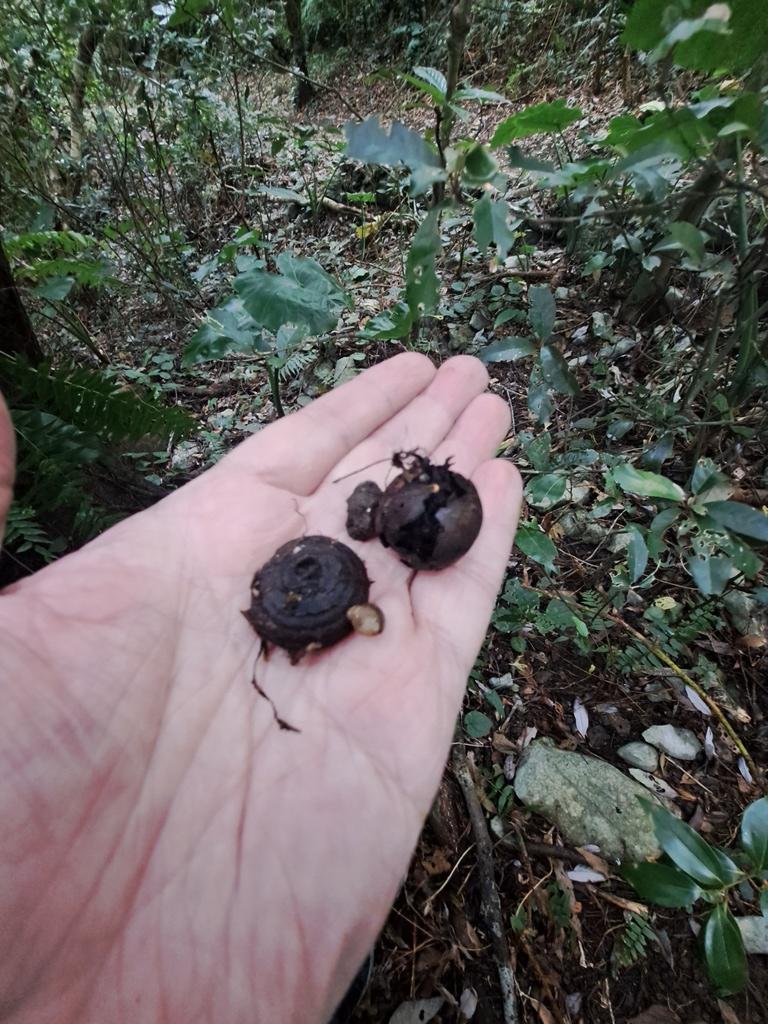
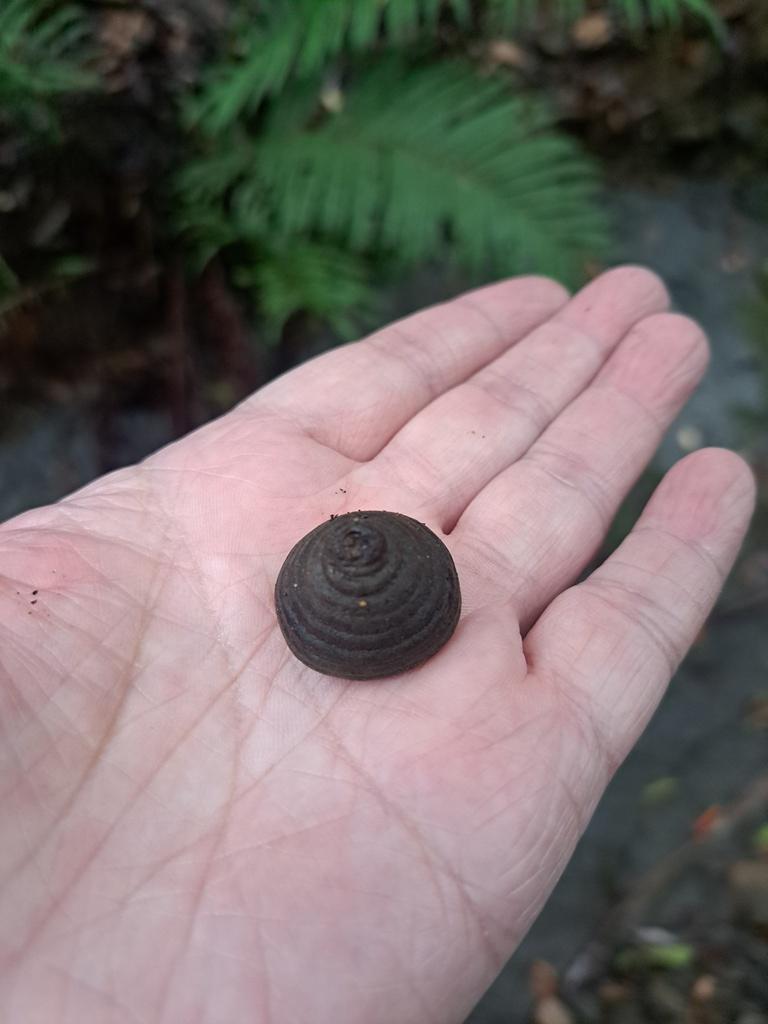

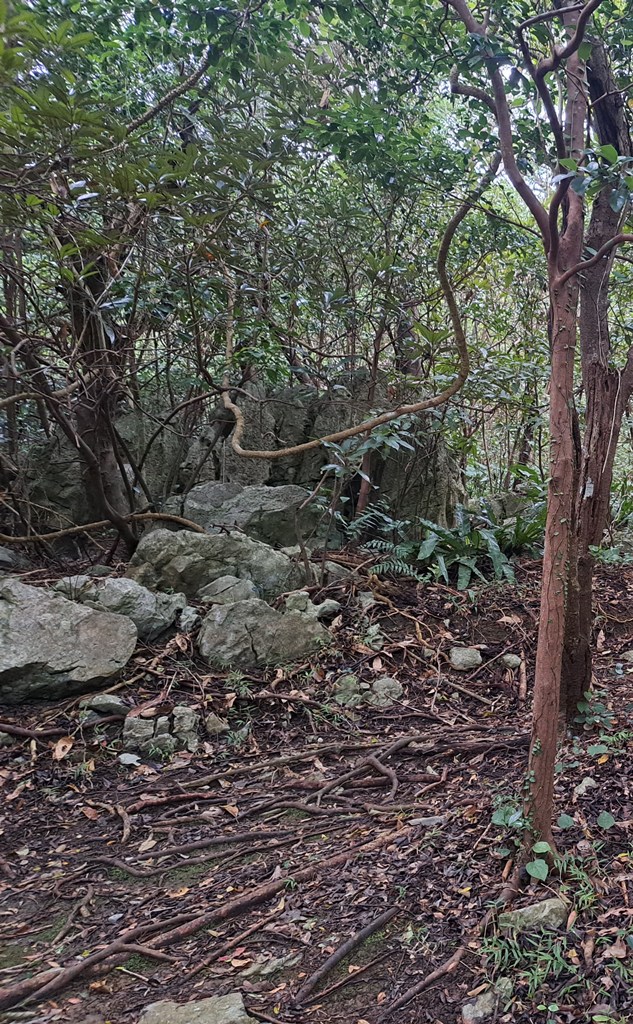
Encouraged by the ease of locating the first population, I proceeded to a second site near the Okinawa Churaumi Aquarium, arriving in the late afternoon. This area consisted of coastal hills with visible coral remnants and karst formations. The landscape was strikingly similar to Kenting National Park in southern Taiwan (my home country), prompting reflection on why Q. miyagii does not occur there.


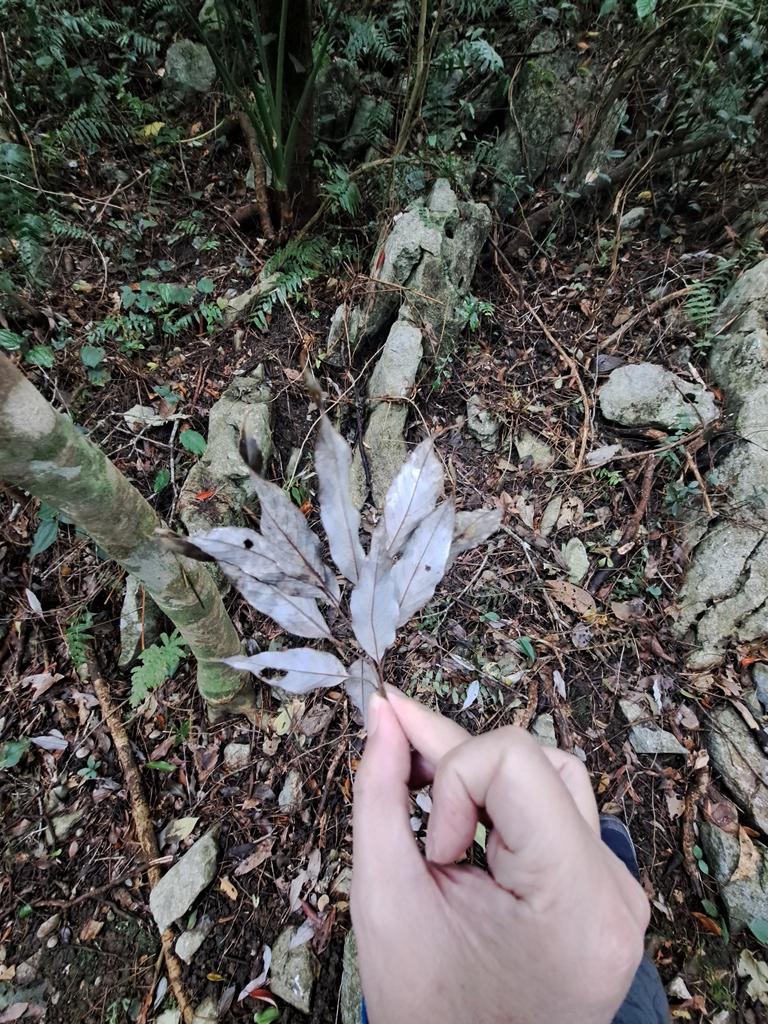
As sunset approached, I was close to ending the search when I noticed an intact leafy branch on the ground. Shortly afterward, several Q. miyagii trees were located on a nearby slope, again growing in close proximity.

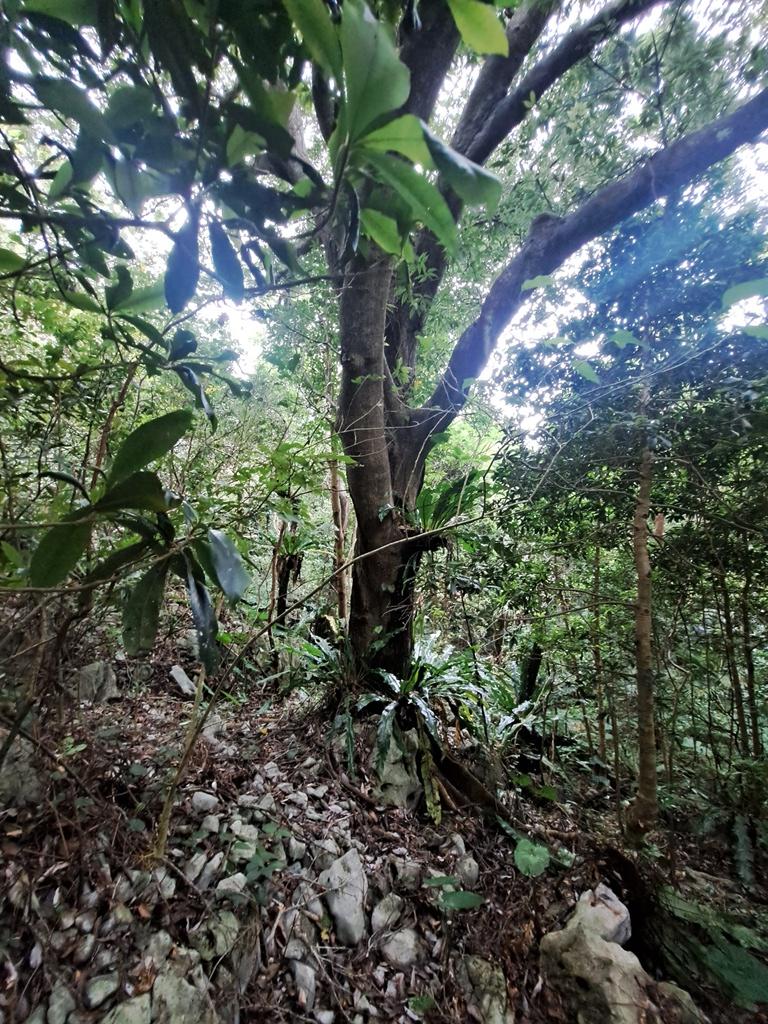
Compared with the first site, these individuals exhibited larger and more prominent buttress roots, and their acorns bore noticeably denser tomentum.
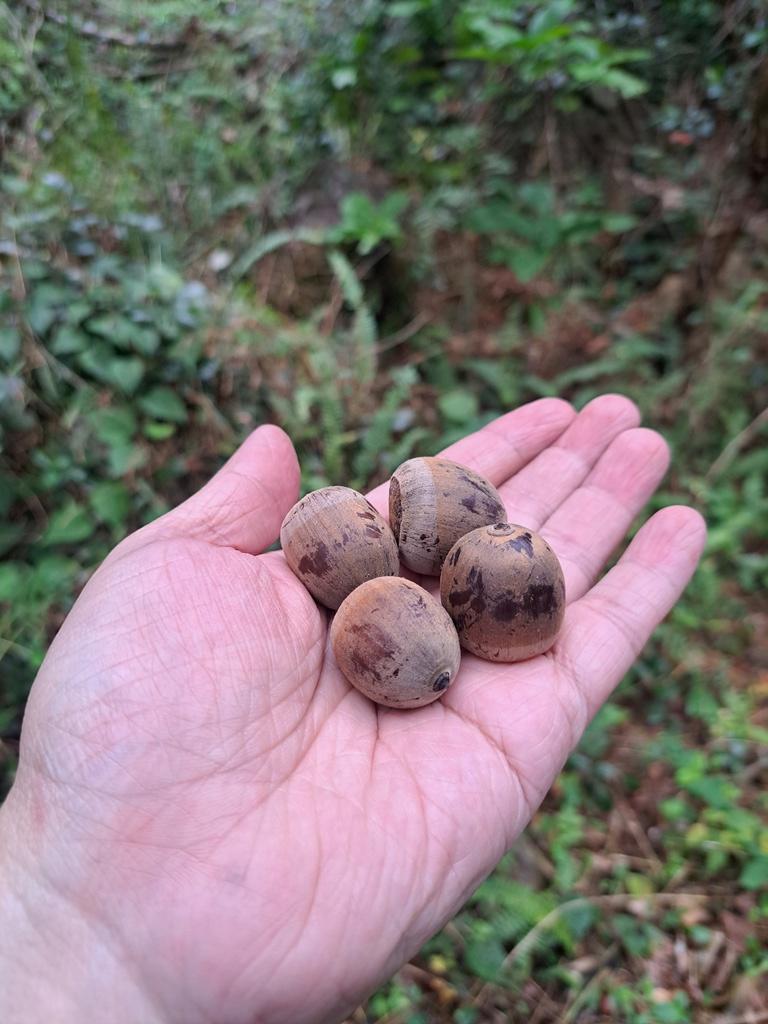
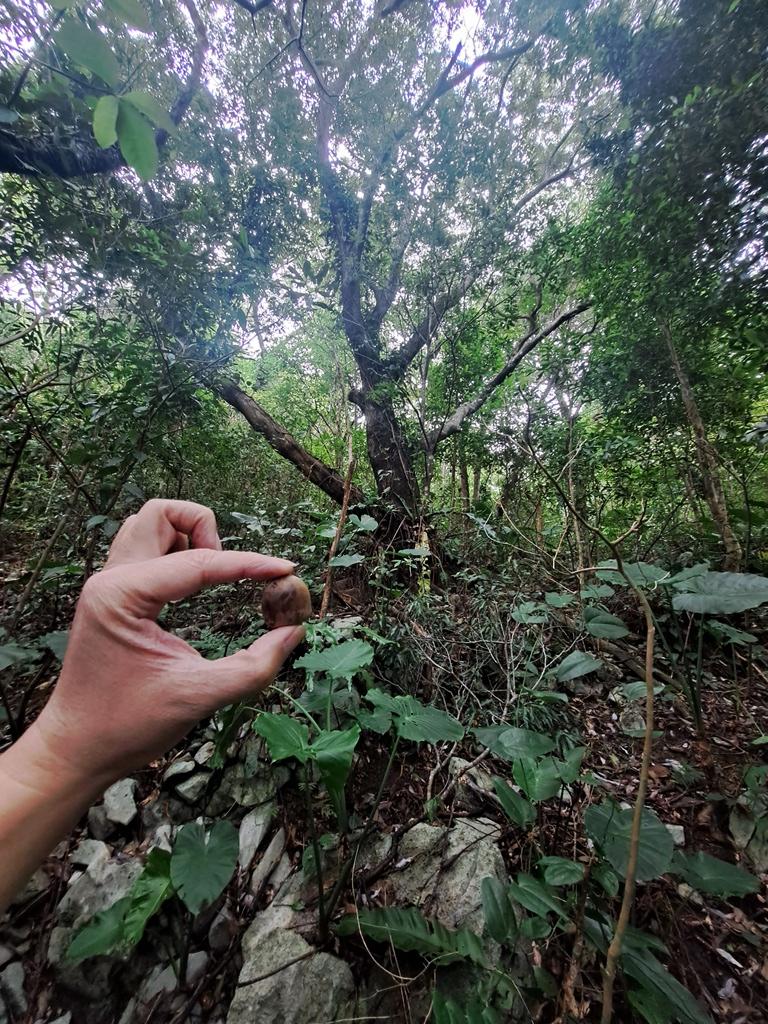

On December 30, I traveled from Nago City to Mount Ibu (Ibudake) in Kunigami District. Unlike the previous day’s terrain, this area resembled the low-elevation foothill forests of southern Taiwan. My objective was to locate what is regarded as the oldest and largest Q. miyagii in Okinawa, reportedly over 300 years old.
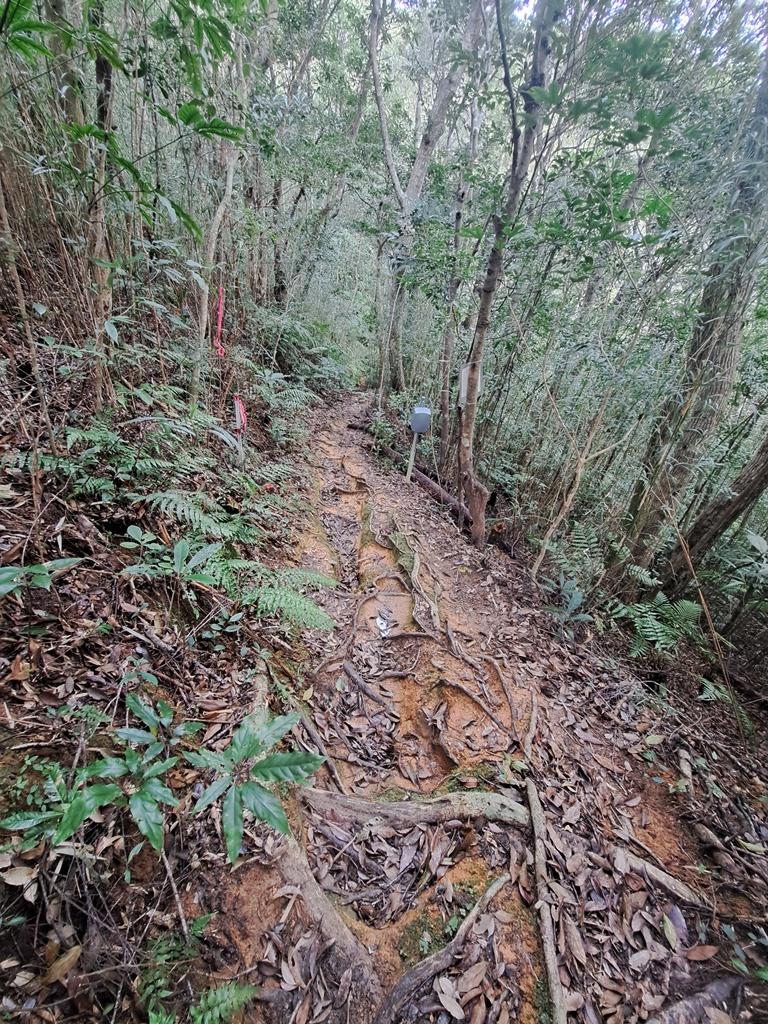


The trail extends approximately 3–4 kilometers, crossing small streams and slippery sections that require careful footing. Numerous Q. miyagii individuals occur beyond the main path, scattered throughout the forest interior. Most appeared relatively young, and the acorns examined were generally smaller, lacking the more robust dimensions sometimes associated with long-established trees.

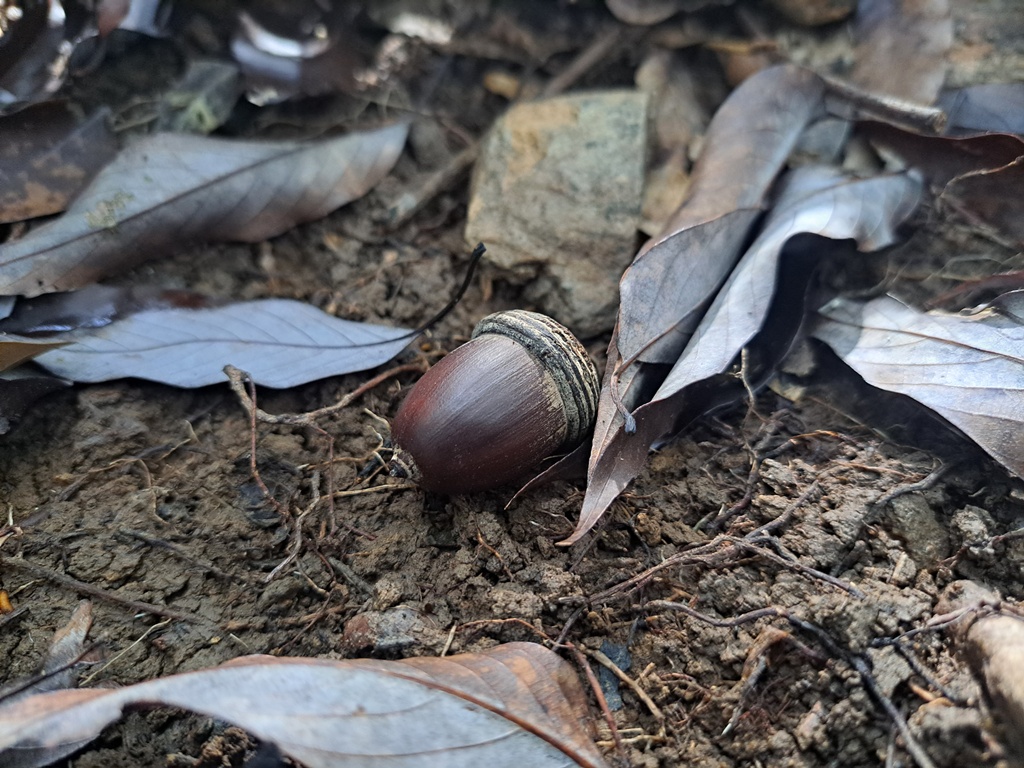
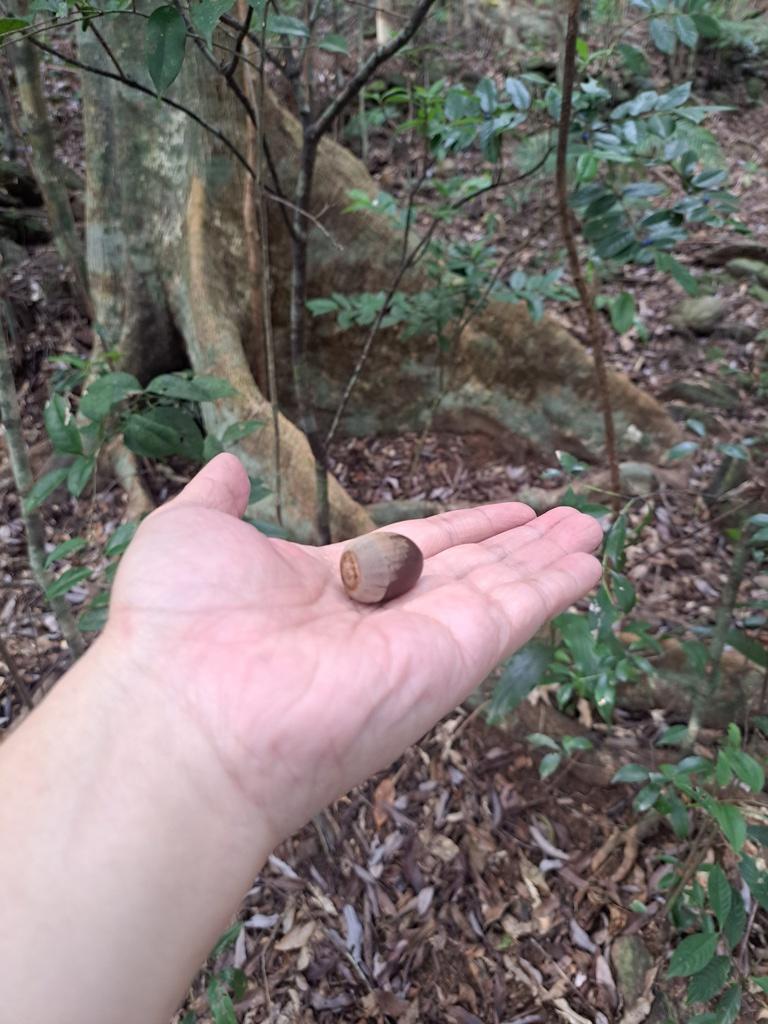
During this exploration, I made several critical errors. I had not ensured that my offline digital maps were properly downloaded, nor had I carried sufficient drinking water. Focused on the search, I gradually moved off the main trail. With mobile reception extremely limited, it took nearly three hours to regain the correct route. By then, my water supply was exhausted. For safety reasons, I abandoned the attempt to locate the ancient tree. The experience underscored the importance of preparation: visitors should possess basic hiking experience and ensure reliable offline navigation tools before entering the forest.
The following photographs were taken in 2015 by my friend Annie, an experienced mountaineer and oak collector. At that time, she carried out a solitary visit to this approximately 300-year-old tree. The images clearly document its most striking features—features that, regrettably, I was unable to observe in person.

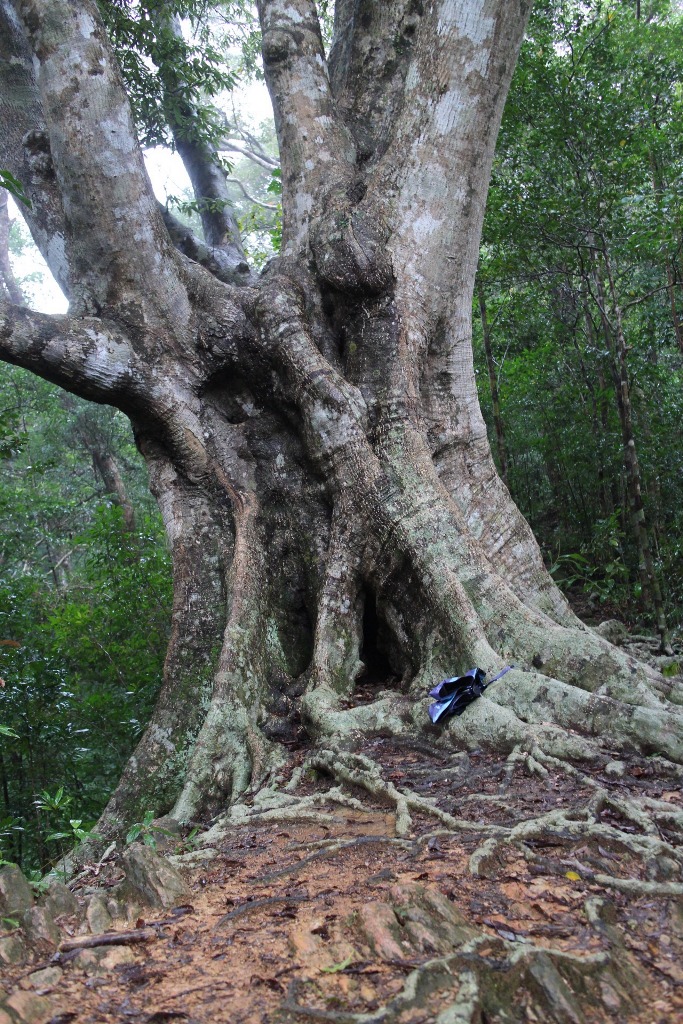
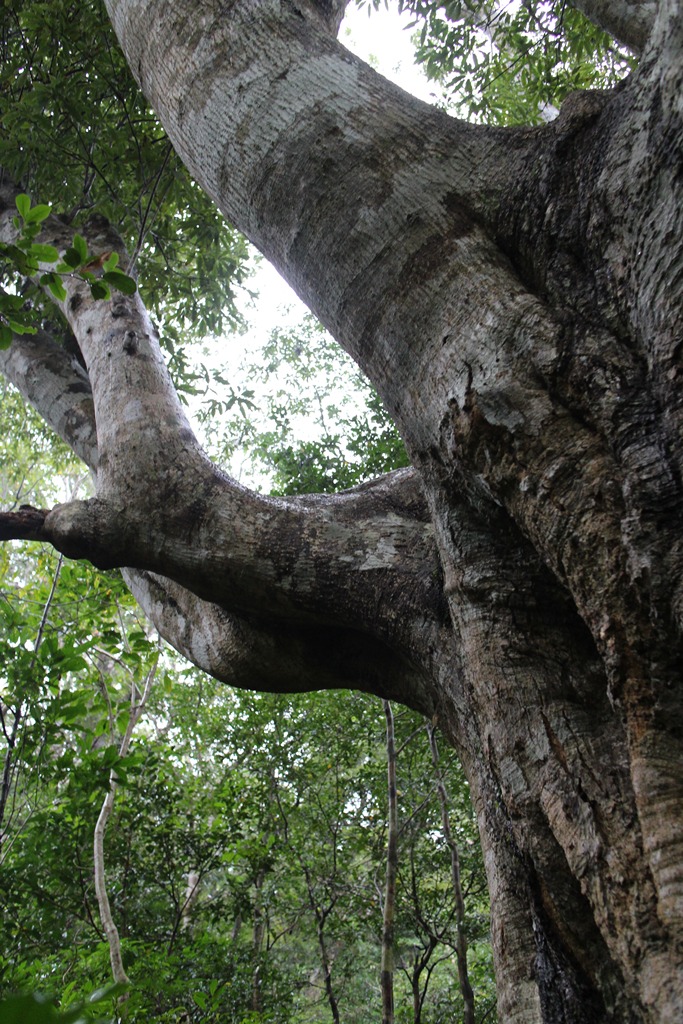
On December 31, while returning south toward Naha City, I visited what is regarded as the southernmost population of Q. miyagii on Okinawa Island, situated between northern Onna Village and southern Nago City.
This habitat was more humid and at lower elevation, with denser vegetation and heavier air. The population had not produced acorns this year; only a few decayed remnants from the previous season remained on the forest floor.

Summary
This field survey covered four natural habitats of Q. miyagii, all located at elevations between 200 and 400 meters. The species was observed growing across diverse environments, including limestone formations and subtropical evergreen forests. Notably, two of the sites were situated less than one kilometer from the coastline, suggesting a considerable tolerance to saline soils and strong coastal winds.
Despite demonstrating substantial ecological adaptability, the distribution of Q. miyagii remains restricted to the Ryukyu Archipelago. This limited range is particularly intriguing given the geographic proximity and environmental similarity between the Ryukyus and Taiwan. The species occurs on several islands within the archipelago, including Ishigaki Island, which lies less than 300 km from Taiwan. Although Taiwan shares comparable climatic conditions and habitat types, the species is absent there.
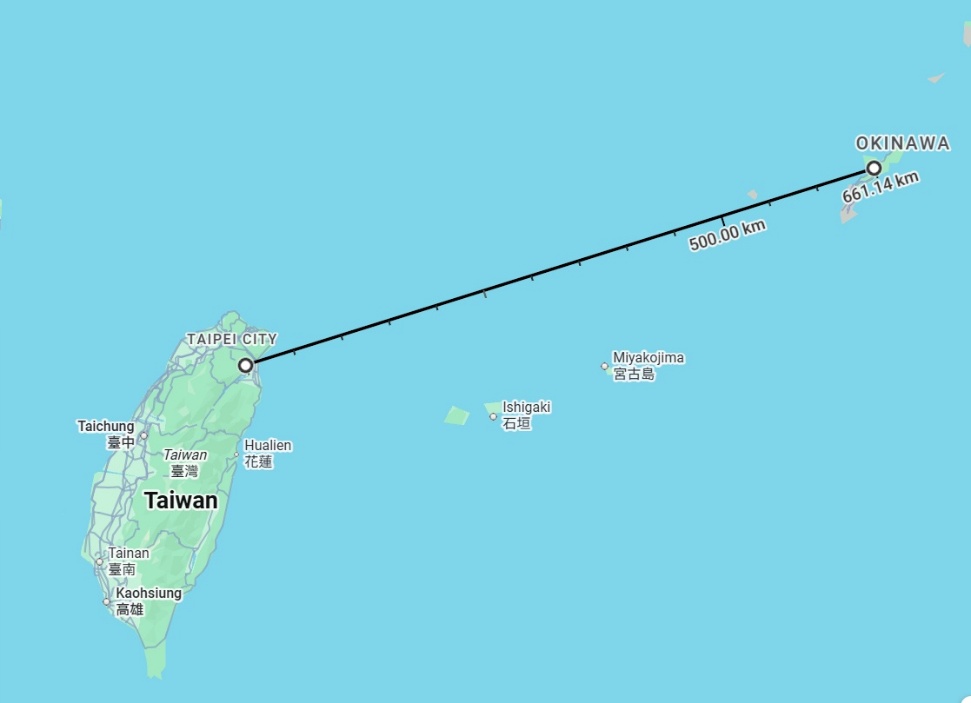
This contrast raises compelling biogeographical questions regarding historical dispersal, ecological barriers, and evolutionary constraints that may have shaped its current distribution.
I am planning future visits to Okinawa, both to conduct a more comprehensive survey and to complete the search for the oldest known individual of Q. miyagii that remained unresolved during this expedition.
Acknowledgement
With special thanks to Annie Chang
Images © Elion Jam unless specified.
The International Oak Society acknowledges the generous support of the following institutions:
Supporting Institutional Members



Standard Institutional Members